
Bricco Della Croce
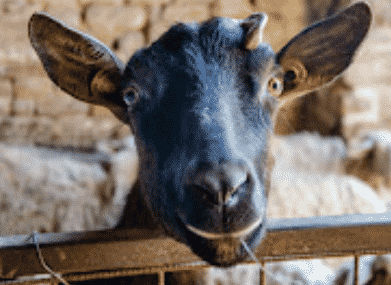
Today I'm telling you about my visit to Azienda Agricola Bricco della Croce, located in Cessole, in the province of Asti. As a true lover of artisan cheeses, I got in touch with a small farm in my region to arrange a pleasant visit on a late-winter day. I reached the farm driving along a narrow, occasionally winding road, which took me up to 500 meters above sea level, in an area of Piedmont that is still truly wild and unspoiled, far from major roads, among the hills of the Alta Langa overlooking the Ligurian Apennines not far away. Waiting to welcome me was Mattia, a young farmer and cheesemaker, who told me how, a few years ago, he decided to buy an old stone farmhouse typical of the Langa, abandoned for decades, and restore it to live there together with his partner, Federica. At the top of this hill stands a large iron cross, which is where the farm's name, "Bricco Della Croce," comes from. You could say Mattia was a real pioneer when he arrived among these woods! It took a remarkable amount of work to bring back to light the pastures that the forest had reclaimed over time. In Mattia's account, you can sense his innate passion for cheese and his desire to start a small flock of goats and sheep, from which he began devoting himself to his great passion: producing artisan raw-milk cheeses while at the same time regenerating the land. Gradually, over time, the number of animals has grown, and today the barn is home to about 30 head of Pecora delle Langhe sheep and just as many Capra di Roccaverano goats, with the goal of building a flock and herd of native sheep and goat breeds. As I listen to Mattia's story, we take a pleasant walk through the surrounding meadows and woods where his animals graze, watched over by two magnificent, well-trained Maremma Sheepdogs that constantly keep watch over the flocks. We reach the top of the hill, where you can enjoy a wonderful view over the surrounding countryside. At the end of the walk, we move to the small, immaculately clean workshop used for processing this raw milk with its high nutritional value, since the animals are raised in a semi-wild state, feeding on wild grasses in the meadows and woods. Milking and processing take place daily, so this precious raw material must be carefully preserved in order to obtain high-quality products. Mattia's cheese production follows traditional styles, with a few distinctive offerings, including Robiole, Sola, goat's milk Toma, Pecorino, and a small saffron-flavored tometta with an intense yellow color and an unmistakable aroma. Alongside the cheeses, there is also a natural yogurt rich in live lactic ferments. My visit continues in the small aging cellar, where, in silence and under particular environmental conditions, the cheeses rest and, with time and Mattia's skilled care, gain further aromatic intensity and complexity, because raw-milk cheeses are living cheeses! Then comes tasting time, where I sample, one after another, from the freshest to the most aged, all the cheeses from their production, and I am struck by the care in the craftsmanship that can be sensed in every type, where the salt is perfectly balanced, in some cases barely noticeable, truly letting the cheese speak in all its facets. A special mention goes to his Robiole, extremely delicate, clean on the nose and palate, well-balanced in flavor, rich in aromatic complexity and with a wonderfully long finish. In the landscape of Piedmontese Robiola production, it's not easy to find products like these! I said goodbye to Mattia and Federica, thanking them for the visit and for what was a wonderful sensory and personal experience, rediscovering and further appreciating these marvelous places and the people who, with tenacity and passion, live there and produce these wonderful products so deeply tied to the land and its traditions! Native "Langhe" breed sheep