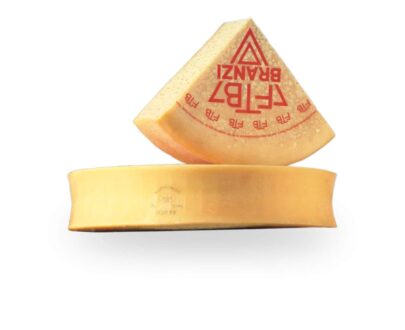
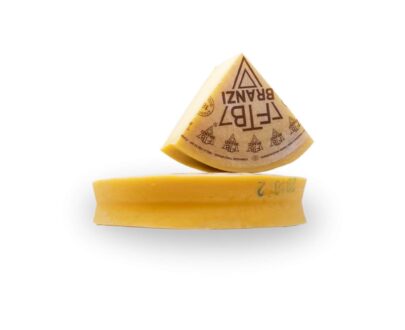
In Social Dairy of Branzi Casearia 1953 the processing methods have remained unchanged over time, only the tools have changed in proportion to the quantities of milk that are transformed every day. This is where the Strachitunt PDO
The Social Dairy
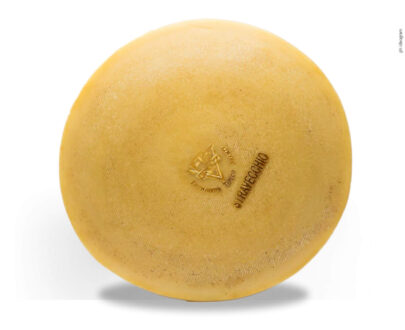
here is thecheesemaker's art which has always decided when the curd clot is ready to be broken. When the cooking is right and how to cut it, its expert hands they work it and then introduce the mass into the molds. It is processed here Strachitunt. If we were asked how the Gorgonzola DOP we know today was born, the right answer would most likely be Strachitunt DOP. Literally the meaning of the word Strachitunt originates from the form in which it is produced and that is "Stracchino Tondo "
Strachitunt PDO
It has long been forgotten in oblivion. When, thanks to the willpower and tenacity of some “Heroic” producers who believed in this product, today we can fully enjoy all the smells, flavors, aromas of this fantastic product. The type of milk used is raw whole cow's milk coming from farms with at least 90% Brown cows. Strachitunt DOP cheese is an expression of the territory of Valtaleggio. Credit must certainly be given to those who took this rediscovery to heart and believed in it from the beginning.
The manufacturing process
When producing this cheese, the cheesemaker joins the layers together inside the mould. two pastas or curds. One produced the previous evening collected in linen cloth and left to drain for at least 12 hours, the other the following morning. For this reason it is defined two-paste cheese. The two curds, unlike cheeses produced with a single curd, do not blend perfectly. Sometimes creating the vision, once the form is opened, of multiple distinct layers with irregular air spaces.
After a few days the shape becomes “agate”. To do this, copper tips are used, thus allowing molds and yeasts to develop, creating a “marbling” original without the addition of Pennicillum. This natural process leads to different degrees of blue veining. Which absolutely do not affect the sensory traits of the product but, on the contrary, attest to the peculiar and original characteristic of this dairy excellence.
Features
For those who love blue cheeses, it will be a confirmation of quality while. For those who are new to tasting this type, it will undoubtedly be a sweet surprise discover the “delicacy” of Strachitunt.
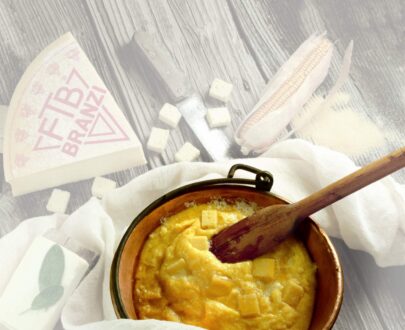
It is a cheese that lends itself to various uses in the kitchen, eaten alone to fully appreciate its sensory characteristics. Excellent for preparing risottos, with raw celery sticks for a tasty appetizer as well as with chestnuts to season gnocchi, placed in slices on the boiled potato or with puree.
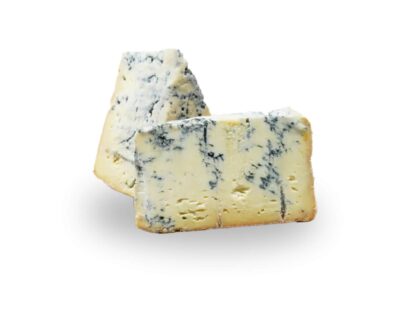
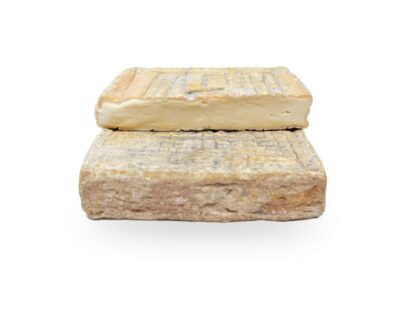
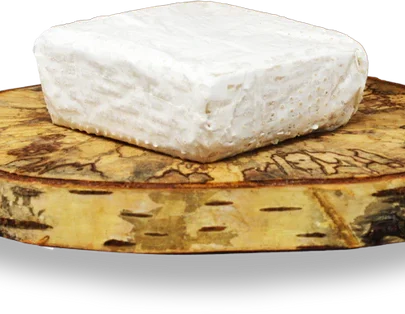
When tasting, the cheese has a thin, wrinkled rind that can sometimes be bloomy. The under-rind is thin. The color can vary from yellowish to gray depending on maturation.
The tasting
It has a convex side. It has a compact paste with an ivory yellow color, the presence of blue-green streaks typical of the blue veining can vary, it is possible to notice the typical agatures. On the nose you can perceive medium yeast odors, fresh yogurt and medium milk while in the mouth medium sweetness appears followed by medium flavour as well as a taste of dried fruit like hazelnuts and walnuts. No stickiness on the palate, good solubility and medium-high persistence.
Try it with:
It lends itself well as “meditation” cheese it can be combined with fresh fruit such as pears, pineapple, kiwi. Cut into cubes together with white celery and raw red peppers for a tasty aperitif, placed on a slightly warmed crouton.