
- Il tuo carrello è vuoto
- Subtotal: €0,00

 Silvio
Postato su
Silvio
Postato su
How wine is produced orange?
The wine orange It is a wine obtained from white grapes that is processed with red vinification. Unlike the processing of white wines for which the grape skins, once brought to the cellar and the must obtained, are immediately separated and eliminated from the squeezed juice, in the wine processing orange, the peels are left in infusion to macerate for a long time, even for several weeks. In practice, the grape skins are not expelled after pressing but are left to macerate in the must.
Why the name? orange?
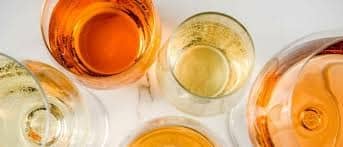
Starting from grapes with peels rich in components – such as aromas, tannins and pigments – you will get wines with a colour from deep golden, orange to amber that is a wine orange, the result of aromatic and coloring substances such as polyphenols, tannins and terpenes that the skins release into the must.
What characteristics should the grapes have?
Grapes with thick skins and a high coloring and tannic potential are preferable, examples are Ribolla Gialla, Trebbiano and Garganega.
How long does maceration last?
The length of time the skins remain in contact with the must can vary and can even reach several months, this of course depends on the experience and sensitivity of the producer. A few weeks will give the wine body, softness and flavor, longer macerations will lead to a wine with greater intensity of color, aromas and consistency. The duration of maceration is an element of distinction of wines orange giving it a complexity of aromas and more intense colours.
At the roots of wines orange:
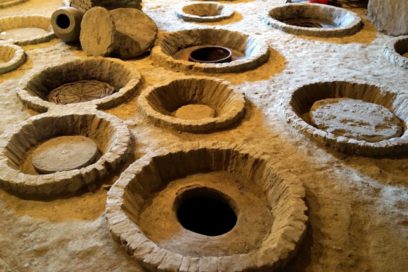
To trace the origins of macerated wines let's take a long leap back, to a remote time of thousands of years, in Georgia. In the Caucasus regions, this very ancient winemaking technique was born, where the must of white grapes remained in contact with the skins. The wine was then fermented in very large amphorae of terracotta, known by the name of qvevri, which were buried to maintain a constant temperature and closed by covering them with wax to avoid contact of the wine with oxygen and thus protect it from excessive oxidation.

The qvevri they have a typical egg shape with the bottom ending with a tapered tip which allows a natural deposition of residues and lees, favoring natural decantation at the time of racking.
December 4, 2013 UNESCO he recognized how intangible heritage of humanity the traditional method of Georgian winemaking in Qvevri amphorae.
…curiosity about the taste of wine orange?
It is certainly not easy to describe its flavour, as well as the gustatory complexity of a wine. orange, the factors that come into play are numerous, among these: the grapes used, i maceration times and the type of refinement which, as well as in an amphora, it is made of wood and in some cases also of concrete and even steel. The wines obtained will present a broad sensory range: “a world orange" herbaceous notes, ripe fruit, dried fruit of walnuts, almonds and hazelnuts, candied fruit, citrus notes, aromatic and spicy herbs of pepper and cinnamon and toasted. Known features of honey.
On the palate: structure, softness and frequent tannicity, fresh and good flavor sometimes iodized and with saline finishes.
What do the wines pair with? orange?
A good combination is with the seafood dishes tasty and structured, particularly appreciated both with local dishes Asian cuisine o Japanese, than with the raw fish. They are very versatile wines to enjoy with aged cheeses and go well with dishes also spicy meat and game.
Service temperature
To be served at 12 to 15 degrees, preferably in large glasses.
We chose the wine orange
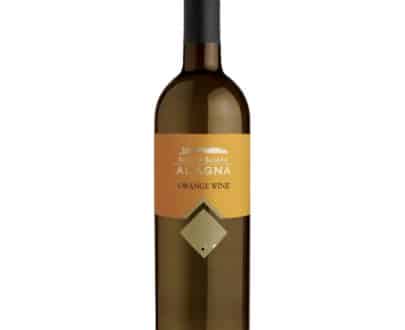
Obtained from the late harvest of white grapes grown in Marsala which are then fermented with the skins for several weeks. Of a beautifulbright orange it is an orange riot of herbaceous and fruity fragrances and minerality, with authentic and frank perfumes.
To try!


